Transmission Assessment
A diagnostic process for evaluating gear shift patterns, fluid integrity, and potential internal component wear within the transmission assembly.

Drivers often encounter a range of vehicle-related situations. These can include unexpected noises from the drivetrain, electrical component malfunctions, or climate control inconsistencies. Transmission Masters provides a structured environment for the assessment of such conditions. Our practice involves diagnostic procedures to identify potential factors, followed by discussions on available service paths, which may involve the use of original equipment parts.
Vehicle operation involves numerous systems working in concert. Over time, components may experience wear or develop inconsistencies. A frequent point of consideration is the transmission system, where drivers might notice hesitation during gear shifts or fluid leaks. Electrical systems present another area for potential assessment, with issues ranging from battery drainage to malfunctioning sensors or lighting. Climate control systems, including air conditioning, may also require evaluation if a reduction in cooling capacity is observed. Each situation presents a unique set of variables for a technician to examine. The approach at Transmission Masters involves systematic diagnostics to gather information before outlining possible service methodologies. This process is intended to provide clarity on the condition of the vehicle.
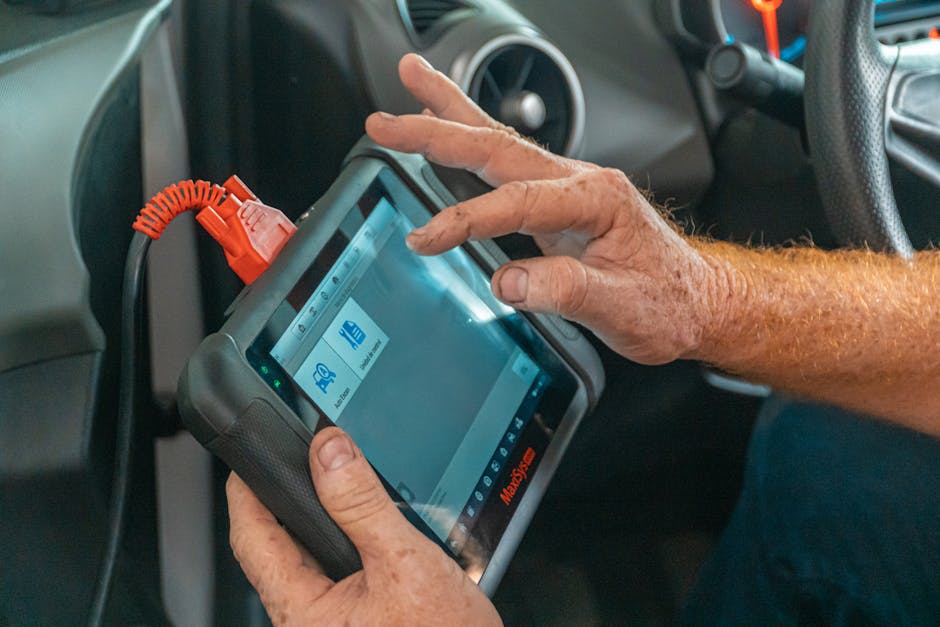
A diagnostic process for evaluating gear shift patterns, fluid integrity, and potential internal component wear within the transmission assembly.
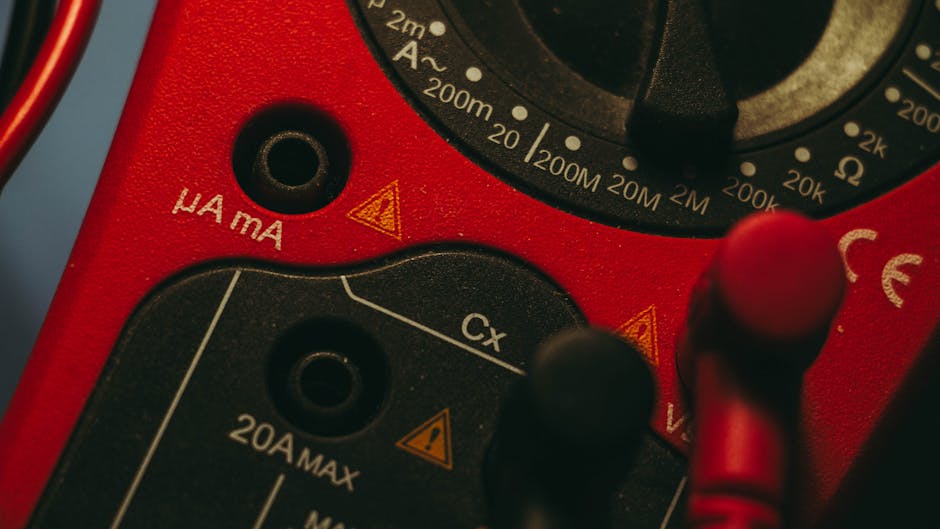
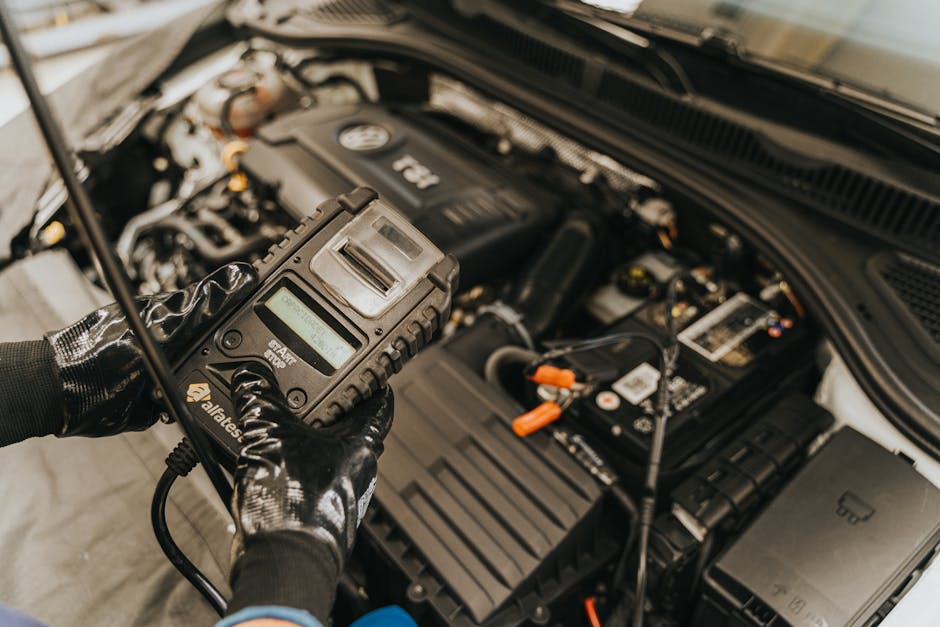
Utilizing specialized tools to trace electrical circuits, test component functionality, and identify potential sources of electrical inconsistencies.
Inspecting the AC system for refrigerant levels, compressor operation, and condenser efficiency to understand cooling performance.
Examining vehicle body and frame for alignment, integrity, and potential areas that may benefit from restorative techniques.
When a driver notices an irregularity with their vehicle, it can introduce uncertainty. Transmission Masters operates on a principle of structured evaluation. The initial step involves a detailed conversation to understand the driver's observations. This is followed by a physical and computerized inspection of the relevant systems. Our technicians follow documented procedures to test components and analyze data. This information-gathering phase is crucial for forming a picture of the vehicle's condition. We then present the findings, discussing the nature of any identified inconsistencies and the spectrum of service options that exist. These options are presented with transparency regarding parts sourcing, which may include original equipment manufacturers, and the associated timeframes.
Modern vehicles integrate complex electronic and mechanical systems. A symptom, such as a warning light or unusual sound, can have multiple potential contributing factors. Diagnostic processes are designed to move from a general observation to more specific information. This may involve scanning for computer fault codes, performing physical tests on mechanical assemblies, or conducting fluid analysis. The outcome of diagnostics is not a predetermined result, but a set of data points. This data informs the subsequent discussion about potential service paths, part availability, and logistical considerations for the vehicle owner.
The journey from noticing a vehicle concern to considering service options involves several stages. At Transmission Masters, we view our role as providing a clear, informational pathway through this process. After diagnostics are complete, we compile the findings into a comprehensible format for the vehicle owner. This discussion covers the technical aspects of what was found, the possible service methodologies applicable to the situation, and the materials that could be involved, such as original equipment parts. The decision on how to proceed rests with the vehicle owner, based on the information provided. Our aim is to ensure that this decision is made with a structured understanding of the vehicle's condition and the available options.
1547 S Main St, Los Angeles, CA